
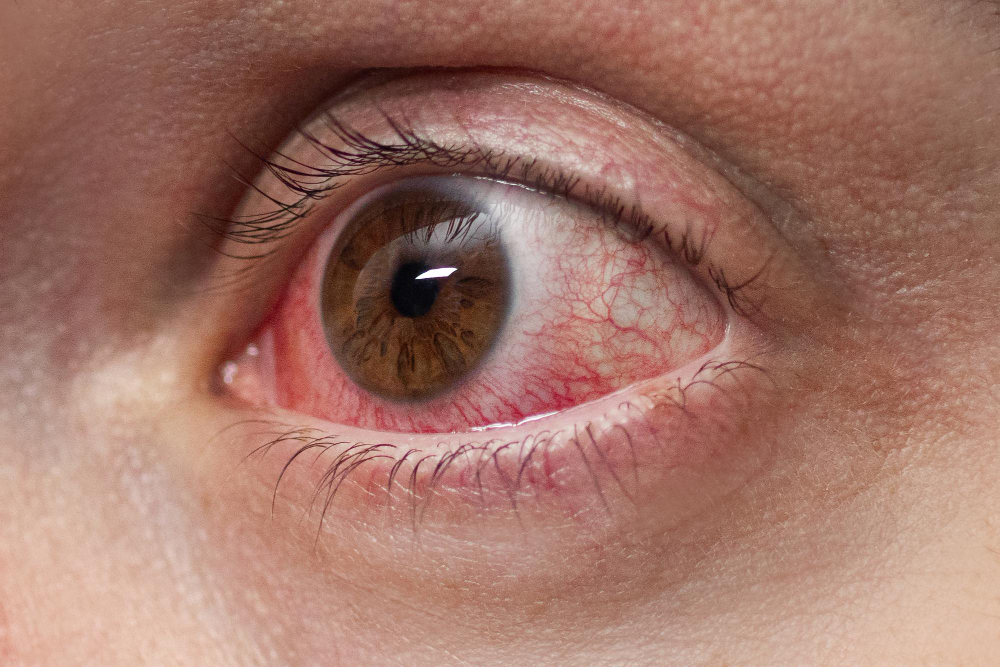
What is Conjunctivitis?
Conjunctivitis, often called pink eye, is an infection or swelling of the thin layer covering the white part of your eye. This layer is called the conjunctiva. When it gets inflamed, your eye may look red or pink. Conjunctivitis can affect one or both eyes. Although it is common, it can be uncomfortable. However, most cases are not serious. According to the Centers for Disease Control and Prevention (CDC), conjunctivitis is a leading cause of eye redness in both children and adults.
Symptoms of Conjunctivitis
Recognizing pink eye symptoms early can help you seek care quickly. While symptoms may vary, the most common signs include:
Sometimes, symptoms start in one eye and spread to the other. Because conjunctivitis can be contagious, early care is important.
Causes of Conjunctivitis
There are several causes of conjunctivitis. Understanding these can help prevent future infections. The main causes include:
Because viral and bacterial conjunctivitis are contagious, they can spread easily in schools or crowded places.
How is Conjunctivitis Diagnosed?
Doctors usually diagnose conjunctivitis by looking at your eyes and asking about your symptoms. Sometimes, they may ask if you have been around someone with pink eye. In rare cases, your doctor may take a sample of the eye discharge for testing. This helps find out if bacteria or a virus is causing the infection. Most of the time, a simple eye exam is enough for diagnosis.
Treatment Options for Conjunctivitis
Treatment depends on the cause of conjunctivitis. Here are the main options:
For all types, avoid touching your eyes and wash your hands often. If symptoms get worse or do not improve, see an eye specialist.
Prevention Tips for Conjunctivitis
Preventing eye infections is possible with simple steps. Consider these tips:
Because conjunctivitis spreads easily, these habits can protect you and others.
Lifestyle and Home Care Guidance
While recovering from conjunctivitis, home care can make you feel better. For example, you can:
However, do not use any eye drops or ointments without asking your doctor. If you notice pain, vision changes, or severe swelling, seek medical help right away.
Conclusion
In summary, conjunctivitis is a common eye problem that can affect anyone. Early care and good hygiene can help prevent its spread. If you suspect conjunctivitis, consult an eye specialist Dr.Neravati Susuma for personalized advice.