
Introduction
Psoriasis is a common skin condition that affects millions of people worldwide. It causes red, scaly patches on the skin. Many people search for information about psoriasis symptoms, causes of psoriasis, and the latest psoriasis therapies. Understanding psoriasis can help you manage it better. In this blog, we will explain what psoriasis is, its types, causes, and the most recent treatment options. We will also share lifestyle tips and advice on when to see a doctor.
What is Psoriasis?
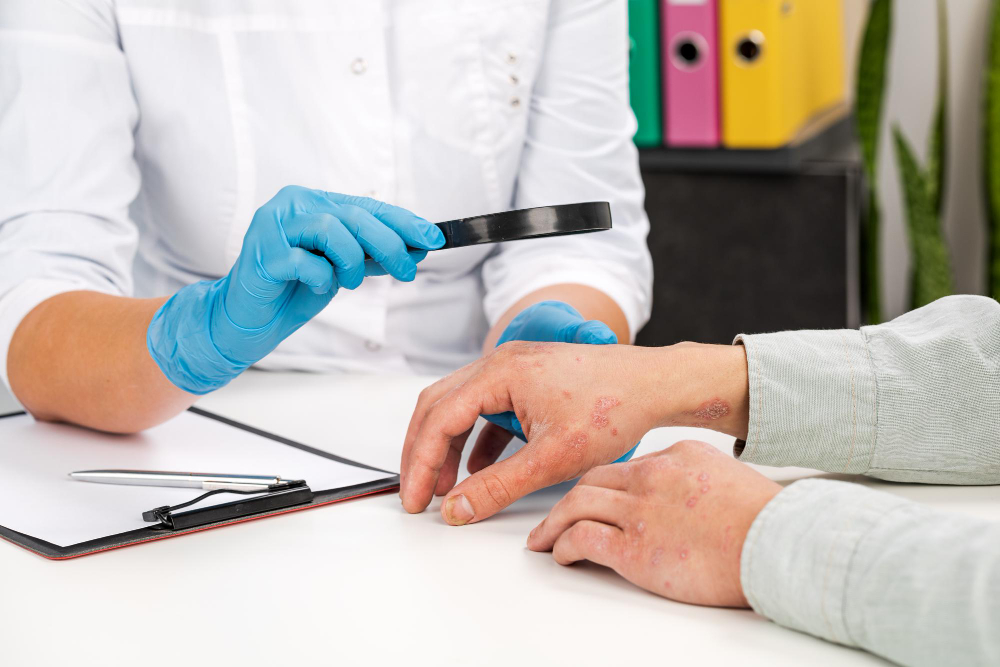
Psoriasis is a long-term skin disease. It happens when skin cells grow too quickly. As a result, thick, red, and flaky patches form on the skin. These patches can be itchy or sore. Although psoriasis is not contagious, it can affect daily life. The World Health Organization (WHO) notes that psoriasis can also impact mental health. For many, it comes and goes in cycles. Sometimes, symptoms get better, but they can also flare up again.
Types of Psoriasis
There are several types of psoriasis. Each type has its own symptoms and appearance. Knowing the type can help you find the best psoriasis treatment options.
Causes and Risk Factors
Although the exact causes of psoriasis are not fully known, experts believe it is linked to the immune system. The immune system attacks healthy skin cells by mistake. This leads to rapid skin cell growth. Genetics also play a role. If someone in your family has psoriasis, your risk is higher. However, other factors can trigger or worsen symptoms.
Because these triggers vary, it is important to know what affects you most.
Latest Treatment Options
There are many psoriasis treatment options today. New therapies offer hope for better control of symptoms. Treatment depends on the type and severity of psoriasis. For mild cases, creams and ointments may help. For moderate to severe cases, doctors may suggest stronger treatments.
Because each person is different, doctors may combine treatments for the best results. Always talk to your doctor before starting any new therapy.
Lifestyle Tips for Managing Psoriasis
Besides medical treatment, daily habits can help manage psoriasis symptoms. Simple changes can make a big difference. For example, keeping your skin moist can reduce itching and scaling. Here are some helpful tips:
Because triggers differ for everyone, keep track of what makes your symptoms worse.
Prevention and When to See a Doctor
While you cannot always prevent psoriasis, you can lower your risk of flare-ups. For instance, avoid known triggers and take care of your skin. If you notice new or worsening symptoms, see a doctor. Early treatment can prevent complications. You should also seek medical help if:
Because psoriasis can affect your overall health, regular check-ups are important.
Conclusion
In summary, psoriasis is a long-term skin condition with many types and causes. New psoriasis treatment options and lifestyle changes can help manage symptoms. However, each person’s experience is unique. Consult a dermatologist Dr. Neravati Susuma for personalized advice on psoriasis management.