
Introduction
Urticaria causes itchy red welts that can appear anywhere on the skin. Many people know urticaria as hives. These welts often seem to come out of nowhere. Sometimes, they last only a few hours. Other times, they can linger for days. Because urticaria is common, it helps to know what triggers it and how to manage it. In this blog, you will learn about urticaria, its symptoms, causes, diagnosis, and treatment. You will also find tips on how to prevent urticaria and when to seek medical help.
What Is Urticaria?
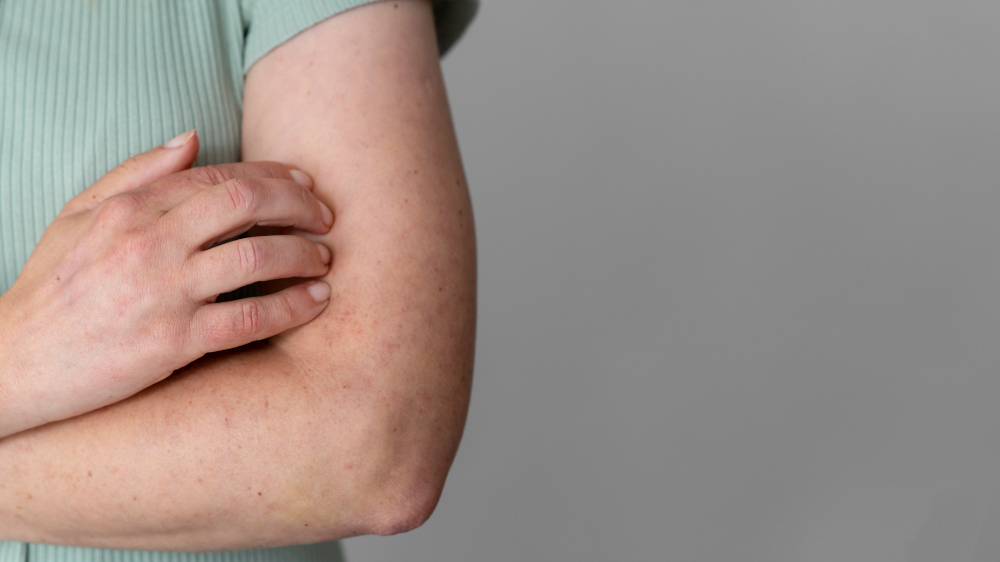
Urticaria is a skin condition marked by raised, red, and itchy welts. These welts are also called hives. Usually, they appear suddenly and can change shape or move around the body. For most people, urticaria is not dangerous. However, it can be very uncomfortable. There are two main types:
Although urticaria can affect anyone, it is more common in children and young adults.
Common Symptoms of Urticaria
Urticaria has some clear signs. For example, you may notice:
Sometimes, the itching can be severe. However, most welts do not leave scars or marks after they go away.
Main Causes and Triggers of Urticaria
There are many hives causes. Often, the exact reason is hard to find. Still, some common triggers include:
Sometimes, urticaria happens without any clear cause. This is called idiopathic urticaria. According to the CDC, most cases are mild and go away on their own.
How Urticaria Is Diagnosed
Doctors usually diagnose urticaria by looking at your skin and asking about your symptoms. In many cases, no special tests are needed. However, if your hives keep coming back or last a long time, your doctor may:
Because urticaria can look like other skin problems, it is important to get the right diagnosis. Dermatology advice for urticaria can help you find the best treatment.
Available Treatment Options
Treatment for urticaria depends on how severe your symptoms are. For mild cases, simple steps can help. For example:
Doctors often recommend antihistamines to reduce itching and swelling. In some cases, stronger medicines like corticosteroids may be needed. For chronic urticaria, your doctor may suggest other treatments, such as immune-modulating drugs. Always follow your doctor’s advice before starting any new medicine.
Lifestyle Tips and Prevention Strategies
Although you cannot always prevent urticaria, some steps can lower your risk. For instance:
Because triggers can be different for everyone, it helps to learn what affects you. If you want to know how to prevent urticaria, talk to your doctor for advice tailored to your needs.
When to Seek Medical Help
Most cases of urticaria are mild and go away quickly. However, you should seek medical help if you:
These signs could mean a serious allergic reaction. In such cases, call emergency services right away.
Conclusion
Urticaria can cause itchy, red welts that are uncomfortable but often harmless. Because triggers can vary, it is important to know your own risk factors. With the right care and advice, most people can manage their symptoms well. Consult a dermatologist for personalized advice on urticaria.