What is Uveitis?
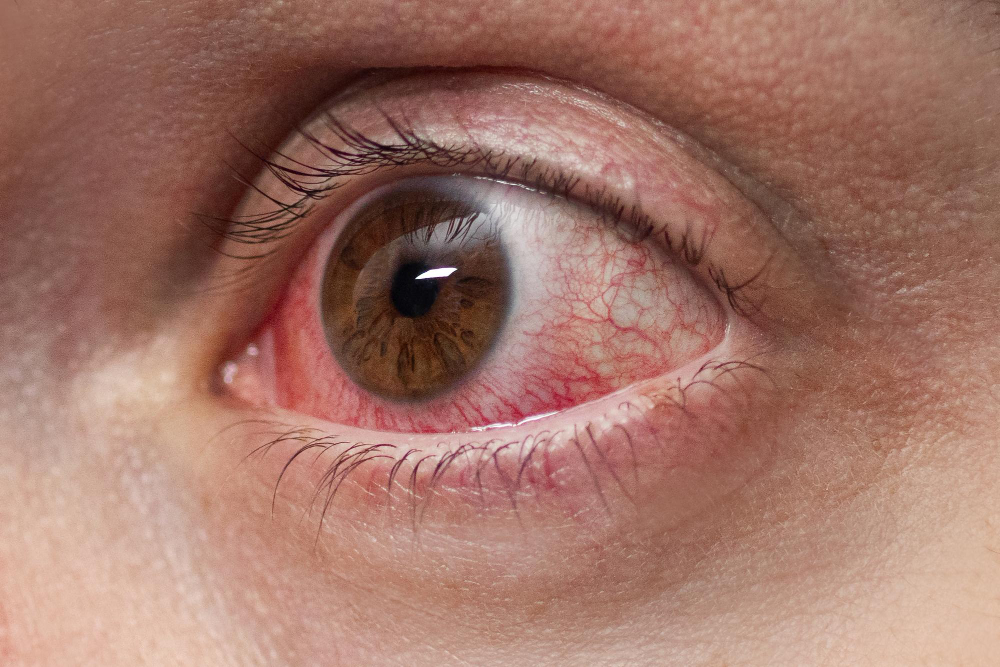
Uveitis is an inflammation inside the eye. It affects the middle layer, called the uvea. Recognizing uveitis early is important because it can protect your vision. For many people, the cause is unknown. However, it can be linked to infections, autoimmune diseases, or injuries. According to the Centers for Disease Control and Prevention (CDC), uveitis can affect people of all ages. In the United States, it is a leading cause of vision loss.
Why Early Recognition Matters
Early recognition of uveitis can help prevent serious problems. For example, untreated uveitis may lead to permanent vision loss. In addition, quick treatment can reduce pain and swelling. If you know the signs, you can seek help sooner. This makes a big difference in your recovery. Moreover, early care can stop the inflammation from spreading.
Common Signs and Symptoms of Uveitis
Uveitis symptoms can appear suddenly or develop slowly. However, not everyone has the same signs. Below are the most common symptoms to watch for:
Sometimes, symptoms are mild at first. But they can get worse quickly. For example, you may notice only slight discomfort at first. Soon after, you might have trouble seeing clearly. In addition, some people feel pressure in the eye. If you notice any of these signs, it is important to act quickly.
When to See an Eye Specialist
It is important to see an eye specialist if you have any symptoms of uveitis. For instance, if you notice sudden eye pain or vision changes, seek help right away. Even mild symptoms should not be ignored. Early treatment can prevent lasting damage. In the United States, many clinics offer same-day appointments for urgent eye problems. Remember, only an eye doctor can diagnose and treat uveitis properly.
Frequently Asked Questions
If you notice any symptoms of uveitis, consult an eye specialist Dr. Neravati Susuma for personalized advice. Early action can help protect your vision and eye health.