
Introduction: Why Knowing Dry Eyes Causes Matters
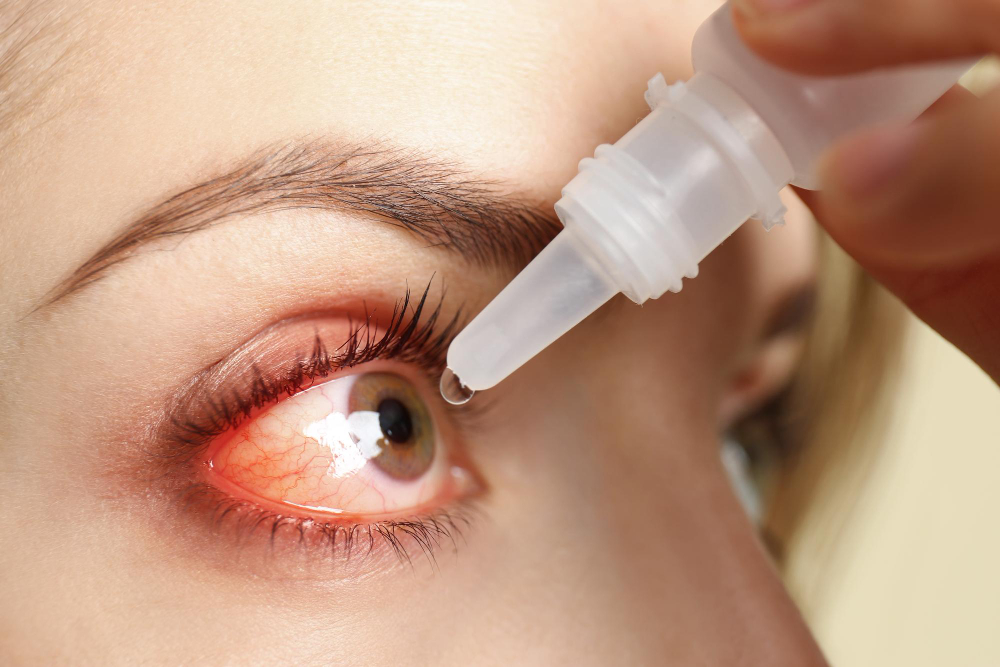
Dry eyes happen when your eyes do not make enough tears or when tears dry up too fast. This can cause discomfort, redness, and blurry vision. Understanding dry eyes causes is important because it helps you find the right solution. Many people wonder what causes dry eyes and how to avoid them. By learning about the reasons for dry eye syndrome, you can protect your eye health and feel better every day.
Common Causes of Dry Eyes
There are several reasons for dry eye syndrome. Some causes are easy to spot, while others may surprise you. Below are the most common dry eyes causes:
Risk Factors That Increase Dry Eyes
Some people are more likely to develop dry eyes. Knowing these dry eyes risk factors can help you take steps to prevent problems. For instance, you may be at higher risk if you:
Because these risk factors can add up, it is important to be aware of your own habits and health.
How to Identify If Your Symptoms Are Linked to Specific Causes
It can be helpful to track when your dry eye symptoms appear. For example, do your eyes feel dry after using the computer? Or do you notice more discomfort in air-conditioned rooms? Try to note:
If you see a pattern, you may be able to link your symptoms to a specific cause. However, sometimes more than one factor is involved. Keeping a simple diary can help you and your doctor find the best solution.
When to Seek Medical Advice
Most cases of dry eyes are mild and can be managed at home. Yet, you should see an eye specialist if:
According to the World Health Organization, early treatment can prevent complications. Therefore, do not wait if you are worried about your eyes.
Conclusion
In summary, dry eyes causes include many factors such as age, environment, health conditions, and daily habits. By knowing what causes dry eyes, you can take steps to protect your vision. If you have ongoing symptoms, consult Dr Neravati Susuma, an eye specialist, for personalized advice and care.