
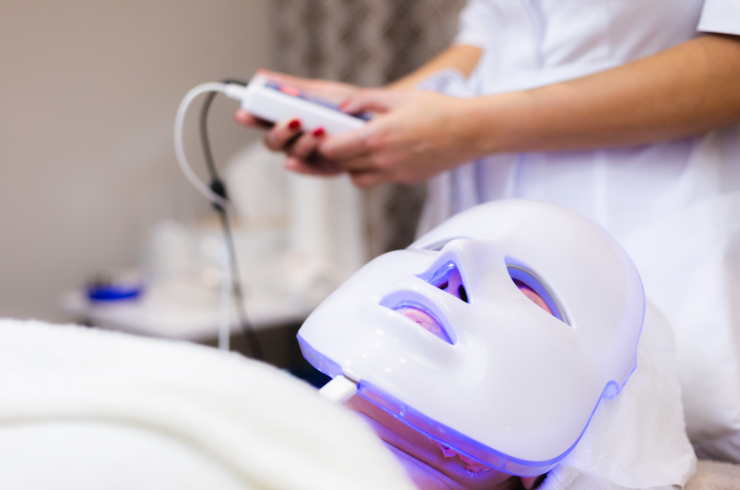
Phototherapy is a modern dermatological treatment that uses controlled exposure to specific wavelengths of light to manage various skin conditions. It is highly effective, safe, and non-invasive, providing relief for patients with chronic skin disorders.
Phototherapy utilizes UVB or UVA light to target affected areas of the skin. The light penetrates the skin layers, reducing inflammation, slowing down abnormal skin cell growth, and helping restore healthy skin. Treatments are carefully calibrated to avoid side effects while maximizing therapeutic benefits.
Phototherapy is commonly used for managing skin conditions such as psoriasis, vitiligo, eczema, and severe acne. It helps in reducing redness, scaling, and itching while improving skin tone and texture. The therapy is particularly beneficial for patients who have not responded well to topical medications.
Phototherapy offers several advantages, including non-invasiveness, minimal side effects, and effectiveness in controlling chronic skin conditions. It improves patient comfort and can be combined with other treatments for enhanced results. Regular sessions help maintain long-term skin health and reduce flare-ups.
Patients suffering from persistent skin disorders, especially those unresponsive to conventional treatments, are ideal candidates for phototherapy. A dermatologist can determine the appropriate wavelength, exposure duration, and treatment schedule based on individual needs.
Phototherapy is administered under professional supervision to ensure safety and optimal outcomes. Protective measures, including eye protection and controlled exposure times, minimize the risk of adverse effects. Professional monitoring ensures treatment is both safe and effective.
Consult a dermatologist to understand how phototherapy can improve your skin health. Early intervention and consistent treatment can significantly enhance results and promote healthier, clearer skin.

Powered By